

Every boy experiences challenging seasons. Academic frustration, arguments over chores, changing friendships, and difficulty following routines can all be part of growing up.
But sometimes those struggles become persistent enough that parents begin wondering whether their son needs a different kind of support.
A more structured environment may help some children develop consistent habits, build academic confidence, and practice responsibility with adult guidance.
The key is recognizing when ordinary developmental challenges have become ongoing barriers—and determining what kind of support will genuinely help.

Sign 1: Academic Struggles Continue Despite Extra Help
A boy who repeatedly falls behind in school may begin to feel discouraged or believe that success is out of reach.
Parents may notice missing assignments, incomplete work, difficulty concentrating, or growing resistance to school.
Before assuming the problem is motivation, consider whether the child has received appropriate evaluation for learning difficulties, attention concerns, emotional distress, or other barriers.
Some boys benefit from smaller learning environments, individualized academic guidance, and a predictable study routine.
The goal is to identify what makes learning difficult and provide support that helps the child experience progress.
Sign 2: Daily Routines Have Become a Constant Struggle
Mornings, homework, chores, meals, and bedtime can become repeated sources of conflict.
A child may need frequent reminders, struggle with transitions, or become overwhelmed when plans change.
Consistent routines can help children anticipate expectations and practice independence.
The American Academy of Pediatrics' guidance on family routines highlights the value of predictable schedules while maintaining flexibility.
If ordinary routines remain difficult despite thoughtful adjustments, parents may want to explore additional coaching, educational support, or professional guidance.
Sign 3: Conflict Is Affecting Important Relationships
Occasional disagreements are normal. Persistent conflict that damages relationships or disrupts family life deserves closer attention.
A boy may struggle with respectful communication, responding to correction, managing disappointment, or resolving disagreements with peers.
Supportive adult mentoring can provide opportunities to practice listening, accountability, cooperation, and problem-solving.
However, significant aggression, severe emotional distress, or safety concerns require appropriate professional assessment rather than simply a stricter environment.
Sign 4: He Struggles to Plan, Organize, or Finish Tasks
Some boys know what is expected but have difficulty carrying it through.
They may forget instructions, underestimate how long assignments will take, misplace materials, or abandon tasks midway.
These challenges can reflect developing executive-function skills, but they may also be associated with ADHD, learning difficulties, stress, or other concerns.
The CDC's guidance on ADHD symptoms explains that persistent difficulties with attention, organization, and impulse control warrant evaluation when they interfere with daily life.
Helpful structure includes breaking tasks into manageable steps, using visual reminders, offering guidance, and gradually increasing independence.
Sign 5: He Needs More Opportunities to Practice Responsibility
Responsibility develops through experience, not lectures alone.
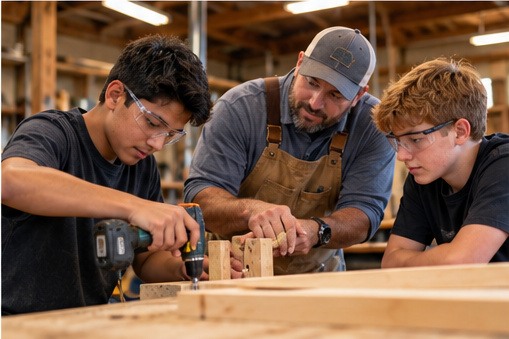
Some boys benefit from consistent opportunities to care for personal belongings, complete meaningful chores, work with others, and contribute to a shared environment.
Practical activities can teach persistence, teamwork, attention to detail, and pride in completing a task.
A structured residential setting may provide daily opportunities to practice these habits with adult supervision.
The goal should be growth in independence and judgment—not simply obedience.
Sign 6: Existing Support Has Not Been Enough
Many families try tutoring, school meetings, changes to home routines, counseling, and other forms of assistance before considering a residential program.
If your son continues to struggle, it may be time to review what has helped, what has not, and what needs remain unmet.
A pediatrician, school professional, or qualified child mental health clinician can help identify next steps.
Additional support might mean an updated educational plan, family counseling, specialized treatment, a different school environment, or some combination of these.
Residential enrollment is only one possible option.
Does Needing More Structure Mean Boarding School Is the Answer?
Not necessarily.
A child who needs more predictable routines may thrive with adjustments at home and school. Another child may need specialized learning support. A child with serious mental health symptoms may require clinical treatment.
Parents should first clarify the underlying challenges and determine which services can address them safely.
When considering a boarding school, ask about academic instruction, staff training, supervision, family communication, behavioral expectations, and clinical limitations.
A structured environment should help a child build skills while maintaining safety, dignity, and healthy relationships.
How Raising Arrows Supports Growth Through Structure
Raising Arrows Children's Home provides a Christ-centered home and boarding school environment in Montana for boys ages 9–16.
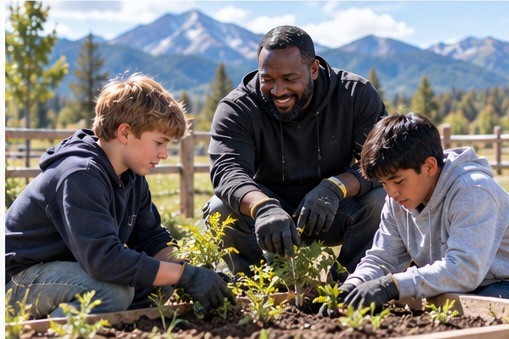
Its program combines on-site academics, consistent daily routines, Biblical discipleship, practical responsibilities, outdoor activities, and adult mentorship.
The emphasis is on helping boys grow in faith, knowledge, character, and everyday responsibility.
Raising Arrows is not a licensed therapeutic treatment facility. Families should seek appropriate professional assessment when their son's needs include clinical mental health concerns.
Parents can explore the program's approach to academics, mentoring, and daily life to determine whether it may be a suitable educational and residential option.
The Goal Is Lasting Growth, Not a Quick Fix
Recognizing that your son needs more support can open the door to meaningful change.
The most helpful approach is to understand the reasons behind his struggles, identify realistic goals, and choose a setting that provides the right combination of education, guidance, relationships, and professional services when needed.
With patient support and opportunities to practice new skills, boys can continue developing confidence, responsibility, and a stronger foundation for the future.