
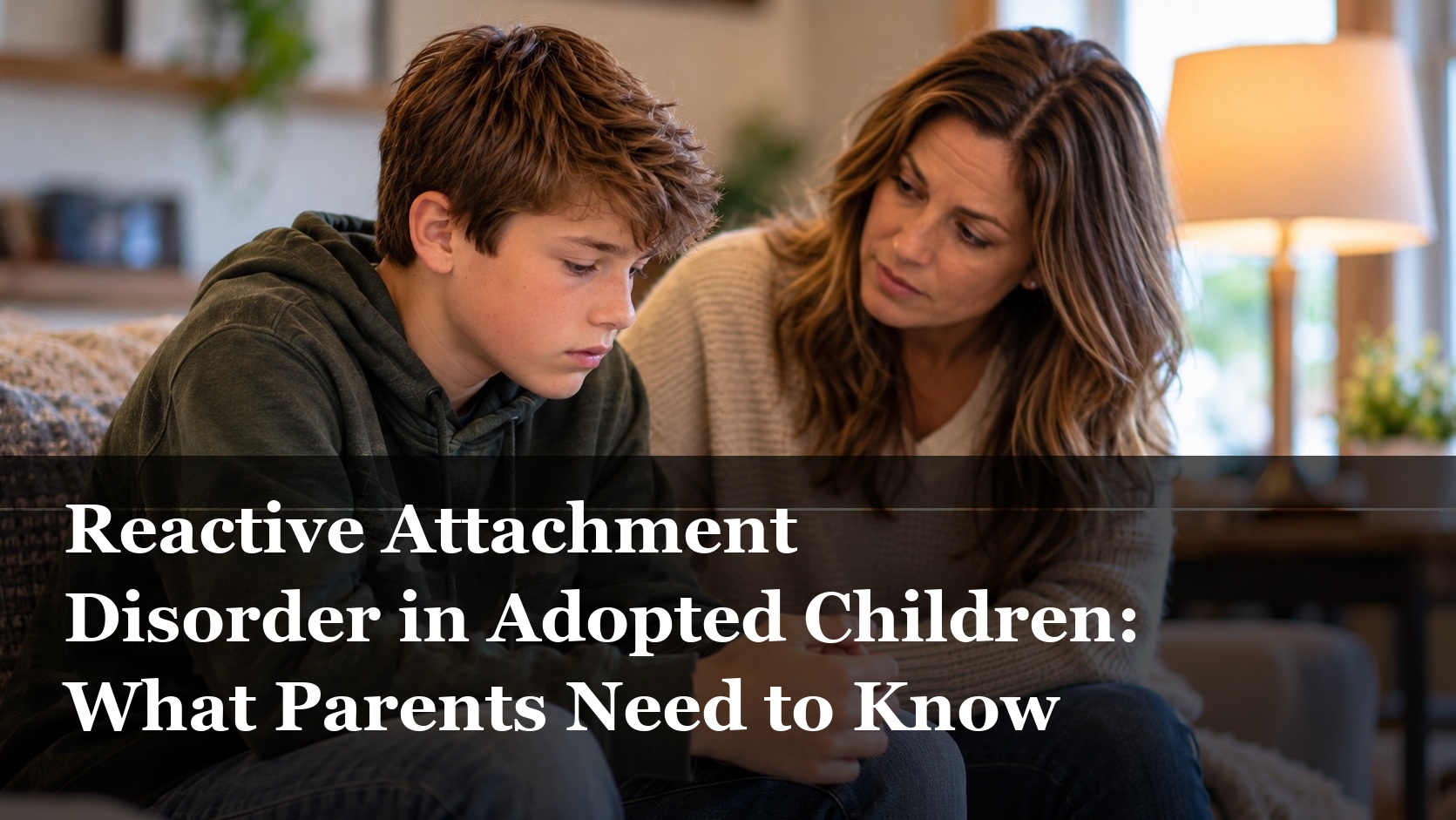
Adoption can bring extraordinary love, belonging, and opportunity into a child's life. It can also involve complex emotions, especially when a child has experienced early neglect, repeated changes in caregivers, or other disruptions in relationships.
Some adoptive parents find themselves searching for answers when their child struggles to accept comfort, build trust, or respond to everyday family interactions. One condition they may encounter during that search is Reactive Attachment Disorder (RAD).
Understanding RAD begins with knowing what it is, what it is not, and why professional guidance matters. It also means recognizing that a child's difficulties do not define his worth or his future.
What Is Reactive Attachment Disorder?
Reactive Attachment Disorder is a mental health condition associated with serious disruptions in early caregiving relationships. It is characterized by a persistent pattern of emotionally withdrawn behavior toward caregivers, including difficulty seeking or responding to comfort when distressed.
The American Academy of Child and Adolescent Psychiatry explains that attachment disorders require careful professional assessment because their symptoms can overlap with other developmental, emotional, and behavioral concerns.
RAD is not simply another name for disobedience, anger, manipulation, or difficulty following rules. Nor does adoption itself cause RAD.
Most adopted children do not have Reactive Attachment Disorder. A diagnosis requires specific clinical criteria and an assessment of the child's history, development, and relationships.
What Signs Might Parents Notice?
Children with attachment-related difficulties can express distress in different ways. Parents may notice:
- Reluctance to seek comfort from a familiar caregiver when upset.
- Difficulty accepting reassurance, affection, or emotional closeness.
- Limited emotional responsiveness during interactions with caregivers.
- Persistent irritability, sadness, or fearfulness in situations that ordinarily feel safe.
- Challenges building consistent, trusting relationships.
These observations can raise important questions, but none of them proves that a child has RAD.
For example, a child who struggles with emotional regulation might instead be experiencing anxiety, depression, trauma-related symptoms, ADHD, a learning difficulty, or another concern. Some children experience more than one difficulty at the same time.
A qualified child mental health professional can help families understand what is happening rather than relying on a label based on behavior alone.
How Attachment Challenges Can Affect Family Life
When a child has difficulty trusting adults or accepting emotional support, ordinary family experiences may become unexpectedly complicated.
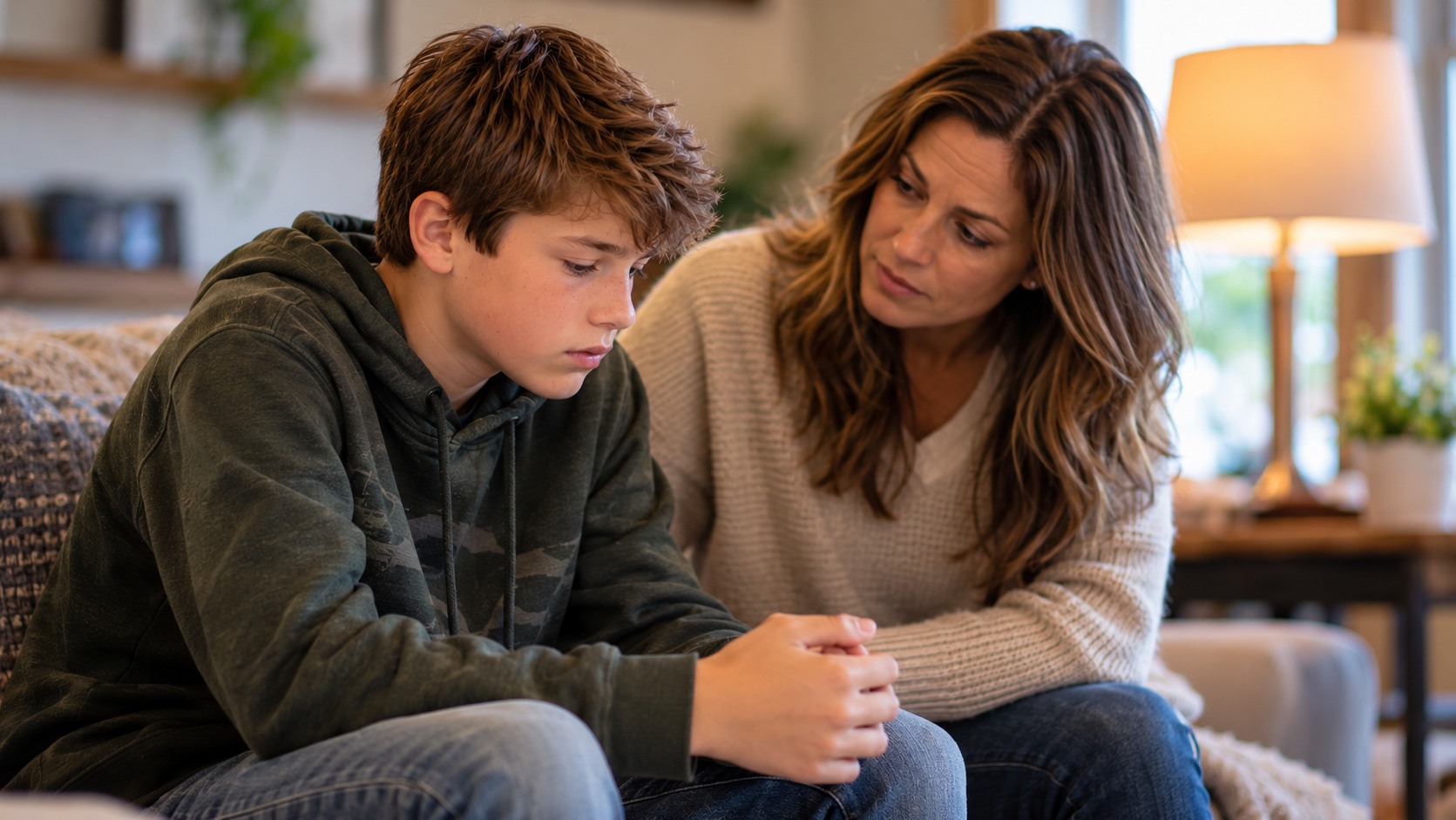
A parent might offer reassurance after a disappointing day, only to find that the child withdraws. A routine correction may trigger an intense response. Moments intended to create closeness may instead lead to tension.
For parents, these experiences can be confusing. They may wonder why their efforts to provide consistency, affection, and stability do not seem to produce the connection they expected.
It is important to remember that challenging behavior can communicate distress, uncertainty, or unmet needs. Understanding the reason behind a child's reaction takes time and sometimes specialized assessment.

Practical Ways Parents Can Respond
While individualized professional guidance is essential when RAD is suspected, several everyday parenting principles can support a more predictable home environment.
Establish consistent routines
Regular times for meals, homework, recreation, and sleep help children know what to expect. Predictability can reduce some of the uncertainty surrounding daily transitions.
Respond calmly and consistently
Children benefit when adults communicate expectations clearly and respond without humiliation, threats, or unpredictable punishment. Calm responses do not mean abandoning boundaries; they mean maintaining them respectfully.
Build connection without forcing affection
Trust cannot be demanded. Shared activities, patient listening, and ordinary positive interactions may offer opportunities for connection without pressuring a child to demonstrate closeness.
Notice strengths and small improvements
A child is more than his hardest moments. Recognizing effort, cooperation, curiosity, and emerging responsibility can help maintain a relationship centered on growth rather than conflict.
Support the entire family
Attachment-related challenges can affect parents, siblings, and caregivers. Families may benefit from counseling, parent education, practical assistance, and opportunities for rest.
When Families Need More Support
If a child's behavior is persistent, worsening, interfering with relationships or school, or creating safety concerns, it is appropriate to seek professional help.
The National Library of Medicine's MedlinePlus resource on Reactive Attachment Disorder describes the importance of a thorough history and professional evaluation.
A qualified professional can assess the child's needs, consider other possible explanations, and recommend an individualized plan. Evidence-informed treatment emphasizes safe relationships and appropriate involvement of caregivers.
Parents should avoid coercive attachment practices, including forced holding or so-called rebirthing techniques. These approaches can be dangerous and are not recommended by child psychiatry professionals.

Understanding the Role of a Structured Christian Children's Home
Some families exploring additional educational or residential support also consider whether a structured, faith-based environment could help their son develop daily habits, academic confidence, and positive relationships.
Raising Arrows Children's Home in Montana provides a Christ-centered home and school environment for boys ages 9–16, emphasizing consistent routines, academics, mentorship, responsibility, and Biblical guidance.
Families can learn more about the organization's approach on its School for Adopted Boys page.
Raising Arrows is not a licensed therapeutic treatment facility. It does not replace psychiatric assessment, psychotherapy, or other clinically indicated care for RAD. Families should work with qualified professionals to determine whether a residential educational setting is appropriate alongside any necessary treatment.
Moving Forward With Understanding and Hope
Learning about Reactive Attachment Disorder can help adoptive parents ask better questions, seek informed guidance, and respond to their child's needs with greater understanding.
A diagnosis, when appropriate, is a starting point for support—not a prediction of a child's future.
With qualified care, consistent relationships, and a realistic plan for the entire family, parents can continue building a foundation of safety, connection, and hope.