
You find something in your son's room that belongs to someone else. When you ask about it, he denies taking it—even though the evidence seems obvious.
Or perhaps he has started collecting items he does not need, hiding possessions, or becoming upset when anyone touches his belongings.
For parents, behaviors such as lying, stealing, and hoarding can be deeply frustrating. They affect trust, create conflict between siblings, and make everyday family life more complicated.
When a child has experienced early trauma, however, it can be helpful to consider what a behavior may be communicating as well as why it needs to change.
Some children who have lived through instability, neglect, or unpredictable caregiving may develop protective habits that persist after their circumstances improve. Other children lie or take things for reasons unrelated to trauma, including impulsivity, peer pressure, embarrassment, or ordinary developmental challenges.
Understanding the possible causes does not mean excusing harmful choices.
It means addressing the behavior in a way that protects others, teaches responsibility, and helps the child develop healthier skills.

Why Might a Child Lie Even When the Truth Seems Obvious?
A parent may assume that a child lies because he believes he can get away with something.
Sometimes that is the explanation. But lying can also be connected to fear, shame, avoidance, or difficulty tolerating a disappointing conversation.
A boy who previously experienced harsh or unpredictable consequences may become intensely focused on avoiding adult disapproval.
In that moment, denying the behavior may feel safer than admitting it.
The American Academy of Pediatrics' guidance on children who lie notes that fear of punishment or disappointing parents can contribute to dishonesty. It also cautions that extreme negative reactions may make a child more likely to lie again.
This does not mean every lie is caused by fear or trauma.
It does suggest that a parent's response can either create an opportunity for honesty or make an already difficult conversation more threatening.
Respond to the Facts Instead of Setting a Trap
If you already know what happened, repeated questions such as "Are you absolutely sure you didn't do it?" may invite another denial.
A clearer approach is to state what you know.
"I found your brother's headphones in your drawer. They belong to him, and we need to return them."
Then focus on what needs to happen next.
There is still room to discuss honesty, but the conversation no longer depends on forcing a confession before addressing the problem.
Make Truth-Telling Worth Practicing
Children need to learn that honesty matters even when the truth is uncomfortable.
A parent might say:
"Taking something without permission was wrong. I'm glad you're telling me what happened. Now let's work on making it right."
Acknowledging honesty does not eliminate accountability for the original action.
It reinforces that telling the truth is a better choice than hiding what happened.
Why Might a Child Take Things That Don't Belong to Him?
Stealing can have different motivations.
A child may want an object, struggle with impulse control, seek attention, or misunderstand ownership rules. A boy who has experienced deprivation may also worry about whether something he values will remain available.
Some children may collect or hide items because having possessions nearby provides a sense of control.
These are possibilities to explore—not assumptions to make about an individual child.
Parents should look at the circumstances surrounding the behavior:
- What items are being taken?
- Does the child use them, hide them, or give them away?
- Does the behavior happen after conflict or a change in routine?
- Does he understand who owns the items?
- Is impulsivity or difficulty planning involved?
- Are there signs of bullying, pressure from peers, or other concerns?
The answers may help identify whether the child needs clearer instruction, stronger supervision, additional emotional support, or a professional evaluation.
What Does Hoarding Look Like in Children?
Hoarding is sometimes used casually to describe a child who collects or hides possessions.
A boy may keep small objects, save broken items, store things in unusual places, or become distressed when asked to discard something.
However, collecting belongings is not the same as having hoarding disorder.
Children may save items for ordinary reasons, including sentimental attachment, curiosity, or enjoyment of collecting.
Concern increases when the behavior causes significant distress, creates unsafe conditions, interferes with daily activities, or involves taking other people's belongings.
For a child who has experienced instability, adults can consider whether possessions have become associated with security or predictability.
Rather than immediately throwing everything away, begin by understanding what the items mean to him.
Teach Ownership and Personal Boundaries
A child needs to know that his belongings will be respected—and that other people's belongings deserve the same respect.
Families can establish clear rules about asking permission, borrowing, returning items, and respecting private spaces.
Providing a reasonable personal storage area may also help a child organize possessions without constant conflict.
If items must be removed for safety, explain what will happen and why. Do not use surprise disposal or humiliation as a teaching strategy.

How Can Parents Hold Boundaries Without Creating More Shame?
A trauma-informed response is not a consequence-free response.
A child who takes something should participate in repairing the harm in a developmentally appropriate way.
That might include returning an item, replacing something damaged, offering a sincere apology when ready, or practicing how to ask permission.
The response should be related to the behavior, proportionate, and clearly explained.
Separate the Child's Identity From His Choice
Compare these two statements:
"You're a thief. Nobody can trust you."
And:
"You took something that wasn't yours. That was wrong, and we need to make it right."
The second statement holds the child accountable without defining him by one action.
Labels can make it harder for children to believe they are capable of changing.
Avoid Public Confrontations
Correcting a child in front of siblings, classmates, or visitors can turn a manageable problem into a humiliating experience.
When safety allows, address the situation privately.
A calm conversation is more likely to provide room for learning than an argument in which both adult and child feel pressured to win.
Be Consistent
If borrowing without permission is unacceptable on Monday, the same expectation should apply on Friday.
Consistency helps children understand the relationship between choices and consequences.
The Child Welfare Information Gateway's guidance for parents of adopted school-age children discusses how experiences of trauma and deprivation can influence behavior and why parents may need to look beyond surface-level reactions.
Parents can combine that understanding with practical, dependable household rules.
A Practical Response When Your Child Lies or Takes Something
When an incident happens, a simple sequence may help keep the response focused.
Step 1: Address Immediate Safety and Property Concerns
Make sure the item is returned or secured. If someone has been hurt, attend to that person's needs first.
Step 2: Regulate Your Own Response
Speak calmly and avoid threats or insults. If you need a few minutes to settle yourself, take them when it is safe to do so.
Step 3: State the Boundary Clearly
Use short, direct language.
"We don't take other people's things without permission."
Step 4: Help the Child Repair the Harm
Choose a consequence or restorative action that fits the behavior and the child's developmental abilities.
Step 5: Teach the Missing Skill
Practice asking to borrow an item, telling the truth about a mistake, or handling disappointment when the answer is no.
Step 6: Look for Patterns
If incidents repeat, consider what happens before and after them. Share relevant observations with the child's teacher, pediatrician, or qualified mental health professional.
This approach allows parents to be firm without turning every incident into a prolonged power struggle.
When Should Parents Seek Additional Help?
Occasional dishonesty or taking something without permission does not automatically indicate a mental health disorder.
However, repeated behavior that seriously damages relationships, involves threats or aggression, creates safety risks, or does not improve with consistent guidance warrants closer attention.
A pediatrician or qualified child mental health professional can help assess contributing factors such as anxiety, trauma-related distress, ADHD, developmental differences, or other concerns.
The National Child Traumatic Stress Network's family resources can also help caregivers understand how adversity may affect children's behavior and relationships.
Parents should avoid diagnosing a child from one behavior or assuming every difficulty comes from early trauma.
An individualized assessment is particularly important when several concerns appear together.
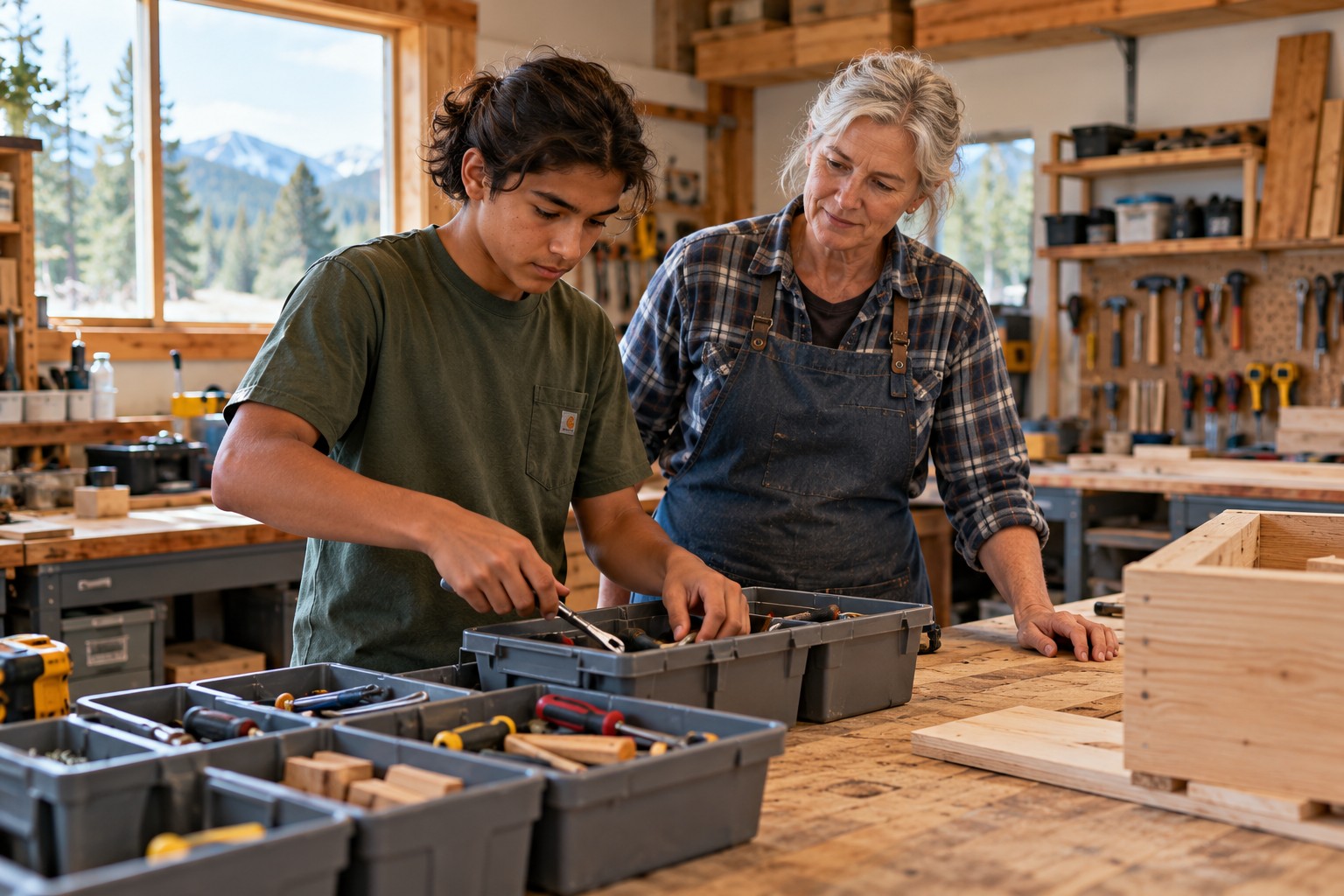
Teaching Honesty, Responsibility, and Trust Over Time
Trust is built through repeated experiences.
A boy needs opportunities to practice telling the truth, respecting property, keeping commitments, and repairing mistakes.
Adults can model these behaviors in everyday life.
For example, a parent who makes an error can acknowledge it without excuses. A teacher can calmly explain why a borrowed item must be returned. A mentor can recognize when a boy chooses honesty even though admitting a mistake is uncomfortable.
Children also benefit from having meaningful responsibilities that allow them to experience themselves as capable and trustworthy.
Organizing shared materials, caring for equipment, completing household tasks, and following through on commitments can create natural opportunities to practice accountability.
The goal is not perfect behavior.
It is gradual growth in judgment, honesty, and responsibility.
How Raising Arrows Approaches Character and Responsibility
Raising Arrows Children's Home is a Christian boarding school and children's home in Montana for boys ages 9–16.
Its Christ-centered approach emphasizes biblical teaching, mentorship, personal responsibility, and structured daily living.
The program also describes practical life-skills instruction, household responsibilities, and opportunities for boys to develop stronger relationships with adults and peers.
On its School for Adopted Boys page, Raising Arrows explains its focus on consistent expectations, faith, academics, and character development within a family-style environment.
These are educational and relational supports, not clinical treatment services.
Raising Arrows is not a licensed therapeutic facility. Families whose sons experience serious or persistent behavioral concerns should seek appropriate professional guidance and ask whether the school's structure and services match their child's individual needs.
Looking Beyond the Behavior While Still Expecting Growth
When a child lies, takes something, or hides belongings, parents need to address the behavior.
But the most productive question is often not simply, "How do I make him stop?"
It is also, "What does he need to learn, and what might be making that difficult?"
Some children need clearer boundaries. Others need help managing fear, impulsivity, or shame. Many need a combination of consistent accountability and dependable relationships.
Compassion and responsibility are not competing goals. A child can be understood, held accountable, and given opportunities to make better choices.
For parents exploring a structured, faith-based school environment, the Raising Arrows admissions team can explain the program's expectations and help families discuss whether it may be an appropriate fit for their son.