
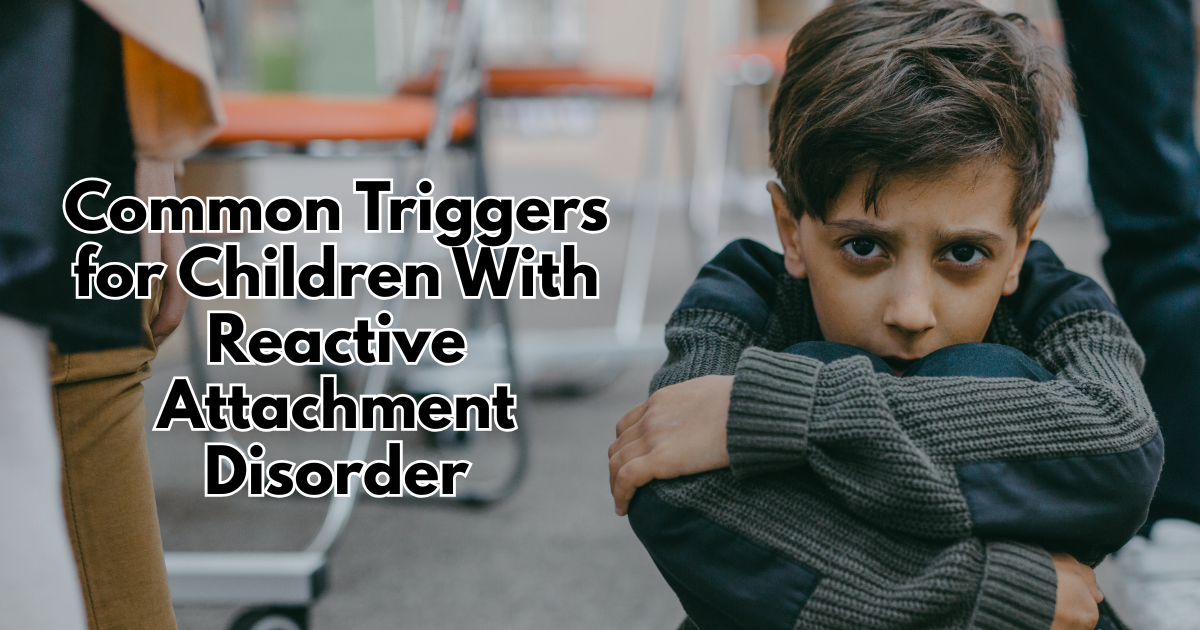
Reactive Attachment Disorder (RAD) is a complex condition that develops when a child's early emotional and physical needs are not consistently met, preventing the formation of healthy bonds with primary caregivers. For families who have adopted or are caring for children with a history of neglect, institutional care, or multiple caregiver changes, understanding the common triggertrigger — A situation, sensory input, or interaction that activates a fear or trauma response in a child with RAD—often rooted in early experiences of neglect, abandonment, or unpredictable caregiving.s for children with RAD is essential for creating a supportive environment.
At Raising Arrows Children's Home, we see firsthand how these triggertrigger — A situation, sensory input, or interaction that activates a fear or trauma response in a child with RAD—often rooted in early experiences of neglect, abandonment, or unpredictable caregiving.s can impact behavior and emotional regulation. Boys who come to our Christ-centered home often struggle with symptoms rooted in early trauma. By identifying and addressing these triggertrigger — A situation, sensory input, or interaction that activates a fear or trauma response in a child with RAD—often rooted in early experiences of neglect, abandonment, or unpredictable caregiving.s, we can help them heal and grow.
What Are Common RAD Triggers?
TriggerTrigger — A situation, sensory input, or interaction that activates a fear or trauma response in a child with RAD—often rooted in early experiences of neglect, abandonment, or unpredictable caregiving.s for children with RAD are situations, environments, or interactions that activate a fear response rooted in early trauma. Because these children often learned that adults are unsafe or unpredictable, their brains remain hypervigilant to perceived threats. Understanding these triggertrigger — A situation, sensory input, or interaction that activates a fear or trauma response in a child with RAD—often rooted in early experiences of neglect, abandonment, or unpredictable caregiving.s for children with RAD is the first step toward offering effective support and intervention.
1. Inconsistent Caregiving and Unpredictable Routines
Children with RAD thrive on predictability. A history of inconsistent care—where needs were sometimes met and other times ignored—teaches them that the world is unstable. Changes in routine, unexpected transitions, or even a caregiver being in a bad mood can be significant triggertrigger — A situation, sensory input, or interaction that activates a fear or trauma response in a child with RAD—often rooted in early experiences of neglect, abandonment, or unpredictable caregiving.s for children with RAD. At Raising Arrows, we provide a structured daily schedule that offers the stability these boys desperately need.
2. Perceived Rejection or Disapproval
A harsh tone, angry eyes, or even a sigh of frustration can triggertrigger — A situation, sensory input, or interaction that activates a fear or trauma response in a child with RAD—often rooted in early experiences of neglect, abandonment, or unpredictable caregiving. intense fear. For a child with RAD, these cues may be interpreted as a sign that they are about to be abandoned or harmed. They often dissociate or experience emotional flashbackemotional flashback — A sudden, intense re-experiencing of the emotional state associated with past trauma—not necessarily a visual memory, but a flood of fear, shame, or panic triggered by a present-day cue.s to past abuse or neglect. This is why a patient, calm, and nurturing approach is crucial when parenting a child with RAD.
3. Physical Closeness and Affection
While it may seem counterintuitive, physical affection is often a primary triggertrigger — A situation, sensory input, or interaction that activates a fear or trauma response in a child with RAD—often rooted in early experiences of neglect, abandonment, or unpredictable caregiving. for children with RAD. Because they never learned that touch means comfort, they may perceive it as a threat and react with avoidance, withdrawal, or even aggression. This symptom often manifests in a reluctance to be held, cuddled, or soothed by caregivers.
4. Situations Where They Lack Control
Due to their chaotic early lives, children with RAD often feel a desperate need for control. Situations where they are not in charge can feel terrifying. This can triggertrigger — A situation, sensory input, or interaction that activates a fear or trauma response in a child with RAD—often rooted in early experiences of neglect, abandonment, or unpredictable caregiving. oppositional behavioroppositional behavior — Persistent defiance, arguing, or refusal in response to authority—in children with RAD, this is often a trauma-driven attempt to maintain control over an environment that feels threatening., tantrums, and power struggles as they attempt to regain a sense of safety and predictability.
5. Separations and Transitions
Saying goodbye, even for a short time, can be a powerful triggertrigger — A situation, sensory input, or interaction that activates a fear or trauma response in a child with RAD—often rooted in early experiences of neglect, abandonment, or unpredictable caregiving.. For a child who has experienced multiple caregiver losses, separation—even a school day—can triggertrigger — A situation, sensory input, or interaction that activates a fear or trauma response in a child with RAD—often rooted in early experiences of neglect, abandonment, or unpredictable caregiving. profound anxiety that their current caregiver will also disappear. The fear of losing a parent is a consistent source of distress, often leading to intense displays of emotion.
6. Public Settings and Unfamiliar Adults
Crowded places, loud noises, and unfamiliar people can overwhelm a child with RAD. While some may react with "disinhibited" behavior—becoming overly friendly with strangers—others may become withdrawn and fearful. Both reactions stem from a lack of internal safetyinternal safety — The felt sense that one is secure within oneself and in relationships—absent in children with RAD, who must rely on external control to manage a nervous system that never learned to self-regulate..
How a Specialized Environment Helps
Parenting a child with RAD is incredibly challenging. Common parenting strategies often fail, and the strain on a marriage and family can be immense. A home like Raising Arrows provides a crucial intervention.
Our structured, faith-based environment directly addresses many of these triggertrigger — A situation, sensory input, or interaction that activates a fear or trauma response in a child with RAD—often rooted in early experiences of neglect, abandonment, or unpredictable caregiving.s for children with RAD. We offer stability, an accredited academic program that reduces stress, and patient, trained staff who understand that challenging behaviors are rooted in fear, not defiance. By providing a consistent, loving environment, we help boys begin to build trust and discover their God-given purpose, creating a foundation for healing and lasting change.